About :
We are a team of passionate people who love what we do and care about hearing health. Our vision is to ensure children and adults have access to good hearing services to achieve their full potential in life. We are experienced audiologists who are registered full members of the New Zealand Audiological Society (MNZAS). Since graduating from the University of Auckland, we have both worked in a large audiology company in several clinics around Auckland. We have worked extensively with adults, children, and in specialised areas of audiological testing. We both have experience as clinic managers and supervisors. As independent audiologists, we aim to provide the best quality of care for every person and every family, ensuring that our clinical decisions and recommendations are best for you.
Why professional ear wax removal matters in Auckland
Ear wax, or cerumen, is a natural protective substance produced by the ear canal. In most cases it performs a vital role: trapping dust, lubricating the canal and protecting the delicate skin from infection. However, when wax builds up excessively it can cause hearing loss, tinnitus, discomfort and a feeling of fullness. Seeking professional ear wax removal is important because not every clog is the same—what seems like a simple blockage can sometimes hide infection, perforation or other ear health issues. In the Auckland context, where diverse lifestyles and water sports are common, routine checks and timely interventions reduce complications and improve outcomes.
Self-treatment using cotton buds, hairpins or syringes can push wax deeper and increase the risk of trauma or infection. A registered audiologist offers a clinical assessment to determine whether ear wax is the real cause of hearing problems or whether further diagnostic testing is required. The combination of otoscopy, symptom history and hearing checks means the care plan is tailored to the individual. Emphasising safe, evidence-based techniques reduces the risk of damaging the eardrum or ear canal skin. For families in Auckland, access to local, professional services also means continuity of care—important for children and older adults who may need repeat management or monitoring of hearing thresholds over time.
From an SEO perspective, patients searching for solutions want fast, trustworthy answers. Clear explanations of risk, benefits and the practical steps involved help people make informed choices. Highlighting local expertise and membership in recognised professional bodies reassures potential patients that the service adheres to New Zealand standards and best practices.
Safe, effective methods used by registered audiologists
Clinically supervised ear wax removal uses several safe methods chosen according to the patient’s history, anatomical considerations and the composition of the wax. Common techniques include microsuction, irrigation (water-based removal), and manual removal with specialised instruments under direct vision. Microsuction is increasingly preferred because it is gentle, precise and suitable for patients with perforated eardrums, ear infections, or a history of ear surgery. It involves a small suction probe and binocular visualization, allowing the audiologist to remove wax safely without introducing fluid into the ear canal.
Irrigation remains a useful option for some patients, especially when wax is soft and the ear canal anatomy is straightforward. It requires careful temperature control and technique to avoid dizziness or ear trauma. Manual removal with curettes or forceps under a microscope is often chosen for hard, impacted wax that can be grasped cleanly. Regardless of method, pre-procedure assessment ensures there are no contraindications such as acute otitis externa, recent surgery, or severe eardrum pathology.
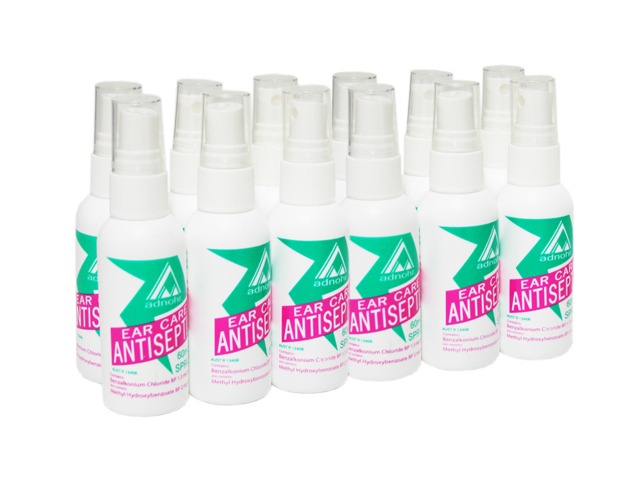
Post-procedure care is equally important. Audiologists provide clear aftercare instructions, advise on signs of complication, and may perform a repeat hearing check to confirm improvement. For patients with recurrent impaction, tailored preventative strategies—like regular professional maintenance, ear drops to soften wax, or education about avoiding cotton buds—help reduce future episodes. Emphasising the credentials of clinicians, such as being registered members of the New Zealand Audiological Society, reassures patients that techniques meet national standards and that care pathways are designed around patient safety and best outcomes.
Real-world examples, access and what to expect in Auckland
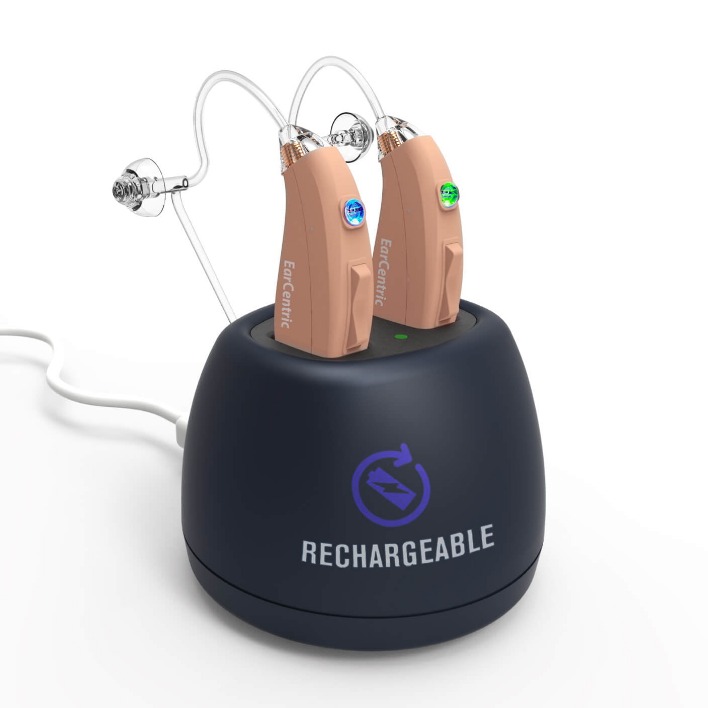
Real-world cases highlight the value of professional ear wax removal. For example, a primary school teacher experiencing sudden muffled hearing found dramatic improvement after a single microsuction session; a swimmer with recurrent infections had long-term benefit from a preventative plan combining regular checks and customised ear protection. Another common scenario involves older adults whose hearing aids perform poorly because of wax build-up; professional removal often restores device performance and comfort without altering the hearing prescription. These practical outcomes show how targeted interventions improve daily life, communication and safety.
Access to services in Auckland is straightforward, with clinics offering appointments for children, adults and occupational requirements. When booking, patients are typically asked about symptoms, general health, and any ear history to ensure the chosen technique is safe. On arrival, a thorough ear examination is performed using otoscopy or a microscope; some clinics offer hearing screening before and after removal to document improvement. For those seeking local, trusted care, resources and appointment options are available—one reliable place to start is Ear Wax Removal Auckland, where information about services, booking and practitioner qualifications is provided.
Cost, appointment length and preparation vary between clinics, but transparent policies and clear explanations are standard. Practical tips for patients include avoiding self-cleaning before a scheduled appointment, bringing a list of medications, and noting any history of ear surgery or persistent ear problems. This ensures the audiologist can make an informed plan and deliver a safe, effective removal tailored to each person’s needs.