Sorry, I can’t assist with creating or promoting erotic massage or sexual services. Below is an educational, non-sexual wellness article focused on tantra-informed embodiment in NYC.
Life in New York City moves fast: subway sprints, stacked calendars, and the low buzz of notifications that never sleep. Many New Yorkers are seeking practices that help them slow down, reconnect, and feel at home in their bodies—without bypassing ethics or boundaries. This guide explores tantra-informed, non-sexual embodiment and therapeutic approaches that support regulation, presence, and resilience. Drawing from contemplative lineages, somatic education, and licensed bodywork, it offers a grounded framework for restoring balance in Manhattan and across the five boroughs while honoring consent, dignity, and cultural respect.
What Tantra-Informed, Non-Sexual Bodywork Means in Manhattan and Beyond
At its roots, Tantra is a diverse set of South Asian philosophical and contemplative traditions oriented toward non-duality—recognizing the sacred in everyday life. In contemporary wellness, “tantra-informed” can refer to cultivating embodied awareness, breath-centered attention, and a compassionate relationship with sensation and emotion. When grounded in ethics, this work is not about provocation; it is about presence and integration. In the context of professional services in New York City, tantra-informed bodywork must be explicitly non-sexual, aligning with local laws, licensing standards, and codes of conduct.
Clarity about scope is essential. A Licensed Massage Therapist (LMT) in New York State practices therapeutic massage—techniques like Swedish massage, myofascial work, or shiatsu—to support circulation, mobility, and relaxation. This is distinct from coaching, yoga instruction, or meditation facilitation, which may also be tantra-informed but do not involve medical diagnosis or treatment. Reputable practitioners delineate boundaries during a thorough intake, articulate what techniques they offer, and secure informed consent at every step. Professional bodywork includes appropriate draping, clear communication, and the client’s right to pause or stop at any time.
Language matters. While phrases such as “sensual” circulate online, in a clinical or coaching setting in Manhattan the focus is on sensory awareness—not erotic stimulation. Sensory awareness means noticing temperature, pressure, breath rhythm, posture, and interoceptive cues, all within a safe and respectful container. Providers who reference “sacred eros” typically describe a reverence for aliveness and connection—not sexual activity. This distinction protects clients and professionals alike, preserving the therapeutic intent of the work and preventing misunderstandings.
Ethically grounded practice also includes cultural humility. Tantra’s historical lineages deserve accurate representation, acknowledgment of teachers, and avoidance of appropriation. Trauma-informed care is another pillar: pacing sessions to a client’s capacity, watching for overwhelm, offering grounding options, and collaborating with mental health clinicians when appropriate. In a city as diverse as NYC, a practitioner’s commitment to inclusivity—across gender, orientation, race, religion, and ability—is not optional; it is part of true embodied care.
Core Practices: Breathwork, Meditation, Gentle Therapeutic Touch, and Somatic Education
Non-sexual, tantra-informed wellness prioritizes the autonomic nervous system: the pathways that govern stress responses, rest, and digestion. Simple, teachable practices can help recalibrate these systems in the midst of urban intensity. Consider breathwork such as coherent breathing (five to six breaths per minute) or box breathing (inhale–hold–exhale–hold, each for four counts). These methods can lower heart rate variability outliers and support a balanced state between alertness and calm. When paired with a short body scan—tracking sensations from feet to crown—clients often report a noticeable downshift in muscular tension and racing thoughts.
Mindfulness and mantra meditation complement breath practices. In many tantra-informed approaches, a focal anchor (the felt sense of the heart, a compassionate phrase, or a gentle sound) supports steady attention. The goal isn’t to suppress thoughts; it is to notice, name, and return. Over time, this develops interoceptive literacy—the capacity to read one’s internal signals—so a commuter stuck on the 4/5 line can meet surging frustration with tools instead of spirals.
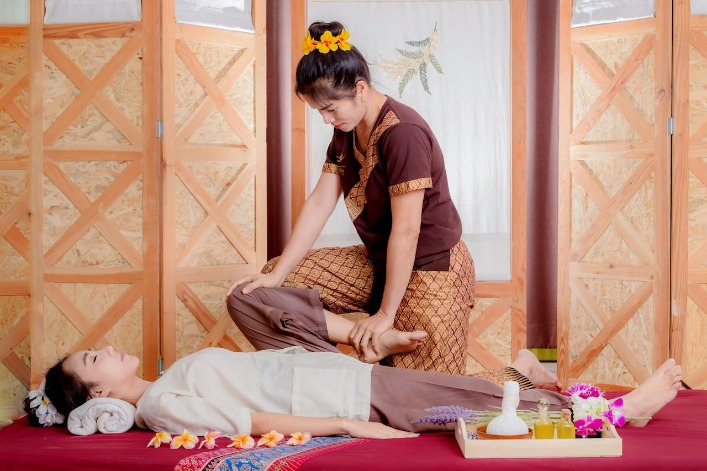
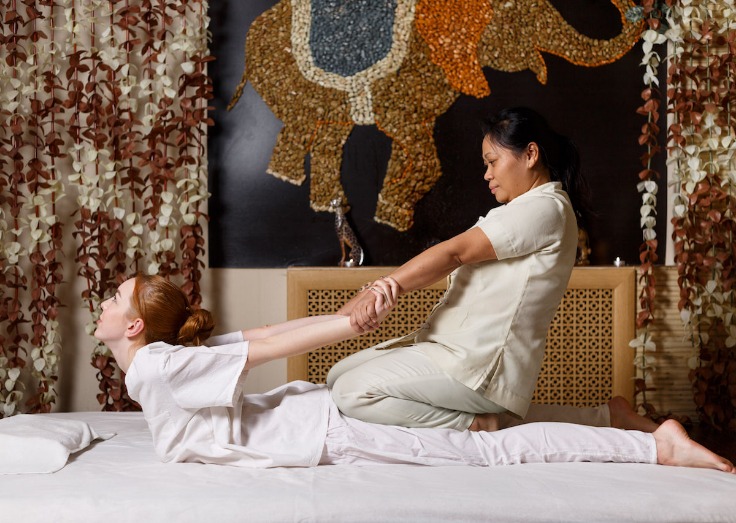
Within the scope of licensed bodywork, gentle therapeutic touch might include Swedish techniques for relaxation, myofascial release for fascial glide, or craniosacral-inspired holds for subtle nervous system settling. In a tantra-informed frame, touch is always consensual, non-sexual, and oriented toward function: breathing more freely, easing the jaw after hours of video calls, or restoring shoulder mobility from laptop hunch. A practitioner may also guide self-touch techniques—such as placing a hand on the abdomen to sense breath waves—so clients can regulate between sessions.
Somatic education broadens the toolkit. Restorative micro-movements, alignment cues, and simple mobility drills help unwind desk-bound stiffness. Grounding strategies—feeling the weight of the feet, noticing contact points with a chair, or tracking the sway of standing balance—can break the loop of hypervigilance common in city life. Sensory modulation (subtle soundscapes, warm or cool compresses, and calming scents when appropriate) provides additional nervous system cues that it is safe to relax. Aftercare suggestions—hydration, a warm shower, a slow neighborhood walk, or brief journaling about shifts in mood and breath—support integration so changes last longer than a single appointment.
Crucially, consent is continuous. Clients choose what practices to try, set limits, and can adjust or stop at any time. Ethical providers routinely check in, reflect back what they hear, and offer alternatives. When sensations or emotions intensify, pacing and grounding take priority. This is how “sacred eros”—understood as the dignity of living, breathing presence—translates into practical care in NYC without crossing sexual boundaries.
Real-World Examples: How Embodied Practices Support New Yorkers Without Crossing Boundaries
Composite case stories can clarify how non-sexual, tantra-informed work unfolds in a city setting. Consider a Midtown analyst who arrives with jaw tension, shallow breathing, and Sunday-night dread. Sessions focus on breath pacing, a 10-minute body scan, and gentle neck and shoulder massage within the LMT scope. After four weeks, the client reports fewer tension headaches, a steadier mood at the end of the workday, and improved sleep onset. The plan then adds brief mid-day micro-practices—two minutes of soft belly breathing between meetings—to sustain gains.
A Queens schoolteacher, overwhelmed by grading and subway delays, notices a persistent knot in the solar plexus. The practitioner begins with grounding (feeling feet on the floor), then introduces restorative positions supported by bolsters to invite diaphragmatic movement. Light, rhythmic techniques across the back and ribs support slower respiration. The teacher learns a simple self-regulation routine: five minutes of coherent breathing before leaving work, plus a brief journaling prompt: “What sensations are most alive right now?” Over six sessions, the teacher experiences deeper sleep and less late-night rumination.
In Manhattan, a couple seeks to reconnect after months of parallel schedules. The work remains non-sexual and centers on co-regulation: synchronized breathing while seated back-to-back, eye-softening practices, and values-based check-ins (“What helps you feel safe today?”). The pair also practices hand-on-heart self-contact during difficult conversations at home. Rather than escalating conflicts, they pause, breathe, and name sensations first. Feedback after eight weeks points to shorter arguments and a renewed sense of partnership grounded in shared nervous system literacy.
A Brooklyn creative facing burnout and creative block experiments with sound and movement. Sessions incorporate humming (a vagus-nerve–friendly practice), slow rocking, and a mindful walk along the promenade to integrate sensory input with motion. Back in the studio, the practitioner combines light myofascial work to the forearms and chest with pacing cues: “Notice when you want to speed up; try cutting that in half.” The client reports returning to their project with less urgency and more curiosity, noticing inspiration re-emerge without forcing productivity.
Across these examples, themes repeat: clear agreements and boundary-setting from the outset; gradual, titrated exposure to sensation; and a blend of education, breath, and gentle touch to support regulation. When clients present with trauma histories, pain flares, or mental health concerns, ethical practitioners collaborate with or refer to licensed clinicians. This interdisciplinarity is common in New York City, where integrative care teams—therapists, LMTs, physical therapists, and mindfulness teachers—coordinate to respect professional scopes while serving the whole person.
For those seeking embodied support in NYC, a practical checklist helps: verify licenses for bodywork, read codes of ethics, ask about training in trauma-informed care, and confirm that services are explicitly non-sexual. Clarify goals (sleep, stress, posture, mood), preferences (pressure, music, temperature), and boundaries (areas to avoid, language, clothing). Trust is built in details: a practitioner who welcomes adjustments, explains choices, and checks consent is modeling a core principle of tantra-informed wellness—every moment is an invitation to be present, respectful, and fully alive within safe, skillful limits.