A telescopic belt conveyor is a game-changer for any operation that lives and breathes by dock performance. Built with extending booms and a controllable belt, this equipment reaches deep into trailers and containers to bring parcels, cartons, and polybags directly to the operator. Instead of teams walking back and forth inside a dark trailer to build or break down loads, an extendable conveyor brings freight to the person, drastically reducing walking time, strain, and cycle time. For bustling express hubs, e-commerce fulfillment centers, cross-border logistics gateways, and high-mix industrial shippers, the impact is profound: safer handling, higher throughput, and fewer bottlenecks at the door.
What differentiates a telescopic belt conveyor for truck loading and unloading from fixed conveyors is its ability to retract and extend on demand. Multi-stage booms can reach the nose of a 40-foot container or 53-foot trailer, then retract between loads to clear the dock. The belt runs forward for loading and reverse for unloading, typically with variable speed to match the pace of operators and freight flow. Smart controls, lighting, and anti-collision systems make work inside trailers safer and more predictable, while robust frames and sealed components keep uptime high in dusty or humid environments.
Operationally, this translates into tangible wins. Throughput gains of 20–40% are common when moving from manual handling or roller gravity lanes to powered telescopic conveyors, particularly on high-volume lanes. Labor efficiency improves as teams focus on value-adding tasks rather than walking and restaging cartons. Damage declines thanks to smoother, more controlled transfers. Ergonomics improve because operators work at waist height with freight arriving to their reach zone. When weather or peak-season surges test dock capacity, a well-specified telescopic conveyor absorbs the shock by increasing flow per door without expanding the building footprint.
Choosing the right equipment is easier when you can compare models by application—parcel, general merchandise, or industrial components—and by throughput targets. For a streamlined view of solutions built for dock-to-truck operations, explore a curated range of telescopic belt conveyor for truck loading unloading options that address express, warehousing, and cross-border scenarios with scalable configurations.
Key Features and Specifications That Matter at the Dock
Not all telescopic conveyors are created equal. The best fit depends on your freight profile, dock layout, and integration requirements. Start with length and boom stages: two to four booms are common, with extended reaches tailored to standard trailers and sea containers. The ability to articulate the last boom up and down—often called a tilting or z-boom—keeps the discharge height aligned with the operator’s ergonomic range as the trailer fills or empties. Belt width and surface are equally important: wider belts accommodate bulky items, while high-friction surfaces help maintain control on inclines or when handling polybags and totes.
Controls and safety define how reliably a system runs across shifts. Look for variable-speed drives, soft-start to protect products, and intuitive pendant or local controls that let operators adjust speed and direction without leaving the trailer. Integrated LED lighting dramatically improves visibility inside containers, reducing missteps and missed labels. Advanced systems add photoelectric sensors, anti-collision logic between booms, horn and light beacons, and accessible e-stops positioned for quick reach. Where data matters, PLC-based controls can interface with WMS or SCADA to capture runtime, cycle counts, and alarms, enabling real-time monitoring and root-cause analysis.
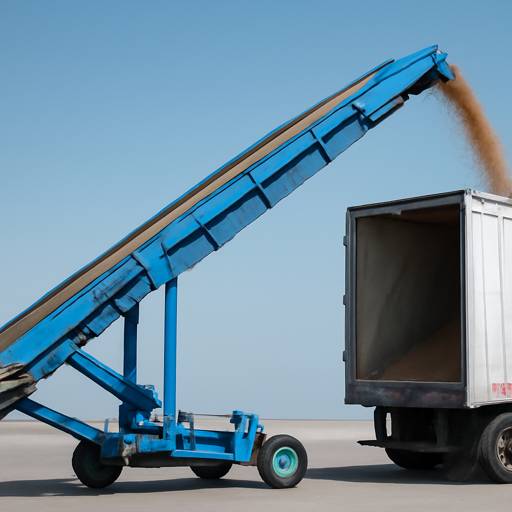
Mobility and mounting options increase flexibility. Dock-mounted units save floor space and can be shared across adjacent doors with slewing or traverse mechanisms. Mobile telescopic conveyors on steerable casters allow redeployment between shipping and receiving or to seasonal overflow doors. Height adjustment ranges should match dock heights and container bed variability. For multi-shift reliability, check ingress protection, sealed bearings, and dust-proof enclosures that stand up to warehouse air quality and temperature swings. Quick-access panels and modular subassemblies ease preventive maintenance, while automatic belt tracking and tensioning reduce intervention and extend belt life.
Integration with upstream and downstream flows unlocks even bigger gains. Pair a telescopic belt conveyor with automated sorters, barcode tunnels, dimensioning and weighing systems, or pick modules to create a continuous flow from inventory to trailer. For returns processing or cross-dock operations, reversible flow lets the same door run inbound in the morning and outbound in the afternoon. Energy-efficient drives, regenerative braking where applicable, and sleep modes lower operating costs on high-volume lines. For safety and compliance, confirm that guarding, pinch-point protection, and lockout/tagout procedures align with local regulations and corporate EHS standards.
Applications, ROI, and Real-World Scenarios Across Express, Warehousing, and Cross-Border Logistics
In express parcel hubs, where every second counts, a telescopic belt conveyor for truck loading and unloading is the linchpin of predictable dock cycles. Consider an overnight operation turning dozens of trailers per shift. Before deployment, teams walked deep into trailers and staged cartons on rolling ladders. After installing three-stage extendable conveyors with adjustable boom tips and integrated lights, cartons per labor hour rose sharply, while injury rates related to overreach and twisting declined. The hub reduced average trailer dwell time by minutes per load, multiplying to hours of recovered capacity by week’s end.
In e-commerce fulfillment, order profiles vary from apparel polybags to small electronics and home goods. A properly specified extendable conveyor adapts to this mix with belt surfaces that grip slick packaging and controls that fine-tune speed for fragile items. One multi-brand retailer handling peak-season surges retrofitted three doors with mobile telescopic units and used them interchangeably between receiving and shipping. Results included a faster dock-to-stock cycle on inbound days and a more stable outbound cadence during flash sales, all without expanding the building or adding permanent doors.
Cross-border logistics adds unique demands: longer container unloads, higher variability in packaging, and tighter clearance around staging areas. Here, slewing bases that pivot the conveyor, combined with boom articulation, allow precise placement inside sea containers without repositioning the dock equipment. High-lumen booth lighting and robust anti-dust enclosures maintain operator comfort and mechanical reliability across humid and dry climates. Industrial shippers loading heavier cartons or components benefit from reinforced frames, higher torque drives, and options like integrated gravity accumulation at the discharge end to buffer product flow during pallet changeovers.
ROI emerges from several dimensions. Labor efficiency improves as walk time and manual handling shrink, often enabling teams to redeploy one to two associates per door during steady-state operations. Cycle times tighten, raising daily trailer turns and enabling carriers to hit schedules more consistently. Product damage drops because cartons are transferred along controlled, powered paths rather than tossed or slid. Safety metrics improve thanks to better lighting, steadier body positions, and fewer awkward reaches. Over a three- to five-year horizon, total cost of ownership falls when durable components, preventive maintenance plans, and remote diagnostics keep uptime high. The net effect is resilient dock performance, ready for seasonal peaks, promotional spikes, and the unpredictability of modern supply chains.
Implementation follows a proven path: conduct a site survey to map door spacing, ceiling clearances, and power availability; define freight mix and daily volume targets; select boom length, belt width, and articulation based on trailer/container types; and validate integration with upstream conveyors or sorter lines. Operator training focuses on ergonomics, pace setting, and safe use of controls. With these steps, organizations across express delivery, warehousing, industrial shipping, and cross-border distribution can harness the full benefits of a telescopic belt conveyor and turn the dock into a reliable throughput engine.