The loss of someone dear leaves a space that words cannot fill. Memorial jewellery offers a tangible way to carry a memory forward—transforming a small amount of ashes, a fingerprint, or a lock of hair into a piece that can be worn close to the heart. Unlike ordinary accessories, these pieces carry quiet meaning: they are personal, intimate, and crafted to comfort. Whether you are considering a ring, necklace, bracelet, or custom keepsake, understanding the options, materials, and emotional value of memorial jewellery can help you make a choice that feels right.
What Is Memorial Jewellery and Why Does It Matter?
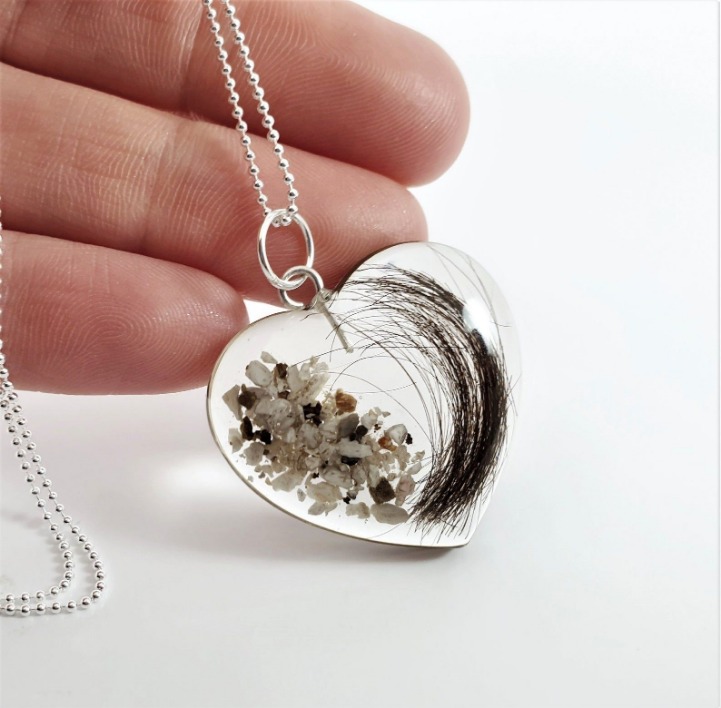
Memorial jewellery is a form of keepsake designed to preserve the memory of a person or pet. It can contain a trace amount of cremation ashes, incorporate a fingerprint engraved into metal, or hold a small lock of hair within resin. Some pieces also use symbolic elements, such as a birthstone, initial, or engraved date, even when they do not contain physical remains. The unifying feature is intention: every detail is chosen to represent a life, a bond, and a story.
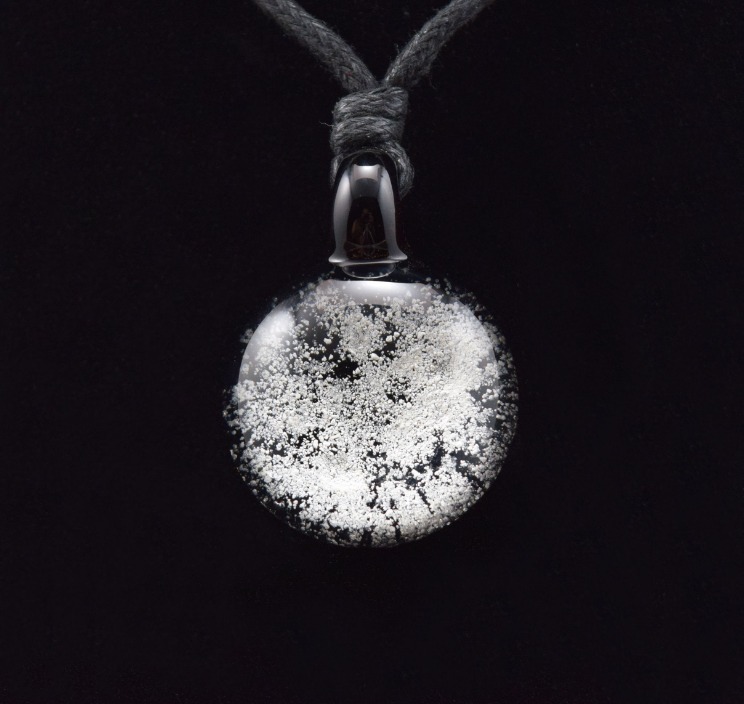
Materials matter greatly in this type of jewellery. Sterling silver, 9ct gold, platinum, and stainless steel are common choices because they offer durability and are generally kind to the skin. Ashes are often sealed inside resin, glass, or a secure chamber, while fingerprints may be laser-engraved onto a pendant or band. Many UK studios now use advanced resin techniques to create swirling, cloudy patterns within beads or cabochons, giving each piece a one-of-a-kind appearance. Because no two inclusions settle in exactly the same way, the result is genuinely unique.
The emotional significance of memorial jewellery is profound. Grief often feels intangible, but a physical keepsake provides a private, portable ritual. Holding a pendant or touching a ring can become a grounding act during difficult moments. It allows wearers to keep a loved one involved in everyday life—at a wedding, graduation, or quiet morning—without speaking about their loss unless they choose to. This quiet connection can be especially comforting in the months and years after a bereavement.
The same applies to animal companions. Pet memorial jewellery has grown significantly, with owners commissioning pieces that hold ashes or a nose print. For many, this is a way to honour the unconditional bond that a pet provided. In the UK, memorial jewellery is often commissioned after a funeral or cremation, but it can also be created months or even years later, whenever the time feels right.
Choosing the Right Piece and Personalisation Options
Choosing memorial jewellery is deeply personal. The right piece should balance aesthetics, comfort, and meaning. Begin with how you plan to wear it. A necklace keeps the keepsake close to the heart; a bracelet allows frequent glances; a ring feels discreet and constant. Earrings, cufflinks, and keyrings are also available, making it possible for different family members to choose a style that fits their daily routine. Some people prefer a subtle design that only they understand, while others want a visible tribute that invites conversation.
Beyond the vessel, consider the type of inclusion. Ashes-infused pieces are among the most popular because they directly preserve a physical trace. Fingerprint jewellery captures the unique ridges of a loved one, often engraved into silver or gold. Hair memorial jewellery may be less common but is increasingly requested for children and babies. Some families combine elements—an ashes bead with an engraved fingerprint, for example—within a single piece. This layered approach can feel especially meaningful when you want to preserve several aspects of a person at once.
Quality and safety should never be overlooked. Because these items may contain cremation ashes, the construction must be secure. Look for solid metal settings rather than thin plating, and ask how the ashes are sealed. High-quality resin should be set below the surface or sealed with a protective layer to avoid discolouration. Laser engraving should be crisp and deep enough to last through years of wear. UK hallmarking is also a useful indicator of precious metal authenticity for silver, gold, and platinum pieces.
When browsing memorial jewellery, it helps to choose a specialist who understands both the technical craft and the emotional weight of the commission. A reputable maker will guide you through the process, provide clear instructions for sending ashes or fingerprint kits, and keep you informed throughout. Consider turnaround time as well. Many pieces are made to order, and reputable studios often take several weeks. If you need a piece for a memorial service or anniversary, plan ahead. Also check whether the maker offers insurance for sending ashes through the post; in the UK, specialised mailing kits with tracked and insured delivery are common.
Caring for and Wearing Memorial Jewellery with Confidence
Caring for memorial jewellery ensures it remains beautiful and intact for years. While each piece is durable, it is not indestructible. Remove it before swimming, showering, applying lotion, or using household cleaning products. Chlorine, salt water, and harsh chemicals can dull metals and degrade resin over time. If the piece contains ashes or hair, avoid exposing it to extreme heat or prolonged direct sunlight, which may cause resin to yellow or become brittle.
Clean only the outer surfaces with a soft, lint-free cloth. For metal components, use a mild, non-abrasive jewellery cleaner suitable for the specific metal. Do not immerse pieces with resin or inclusions in liquid or ultrasonic cleaners, as vibrations and moisture may compromise the seal. Store the piece separately in a pouch or lined box to prevent scratches and tangling. A little regular care goes a long way in preserving both the appearance and the integrity of the keepsake.
There is no single way to wear memorial jewellery. Some people wear it every day; others reserve it for anniversaries, birthdays, or moments when they need extra strength. Both are valid. The piece is not a replacement for the person but a bridge to their memory. It can also be a conversation piece, but you are never obligated to explain its meaning. If someone asks, it is perfectly acceptable to share only what feels comfortable.
For those living in the UK, many people order memorial jewellery after receiving ashes from a crematorium. If ashes are not being divided, a small amount is enough for most pieces—usually less than a teaspoon. Makers send secure collection kits and provide step-by-step instructions. Dog and cat owners can use the same process for pet memorial items. Well-made memorial jewellery can become an heirloom, preserving a connection across generations. This is why choosing quality materials and thoughtful construction matters so deeply.