When to Choose Roof Repair vs. Roof Replacement
Deciding between roof repair and roof replacement begins with a careful inspection of the roof’s condition, age, and the extent of damage. Small, localized problems such as a few missing shingles, minor flashing issues, or isolated leaks often respond well to targeted Roof Repair. Repairs can restore weather resistance quickly and cost-effectively when the underlying roof deck and insulation remain intact. Prioritizing timely repairs prevents small problems from escalating into larger, more expensive issues.
By contrast, widespread wear, multiple leaks, extensive shingle granule loss, or a roof that has reached or exceeded its expected lifespan usually points to the need for Roof Replacement. Replacement is recommended when patching would be a short-term fix or when the roof’s structural elements are compromised. A full replacement also allows for upgrading to higher-performing materials, improved ventilation, and better energy efficiency—advantages that can reduce heating and cooling costs and increase resale value.
Another key factor is the style and material of the existing roof. Older materials that are no longer supported or that have reached end-of-life typically necessitate replacement. Conversely, modern composite shingles, metal panels, or properly installed underlayment can often be repaired efficiently. Insurance coverage and out-of-pocket cost comparisons will influence many homeowners; documentation of damage and professional estimates are essential for claim approvals and repair planning.
For residents seeking reliable local help, searching for a proven service provider is vital—homeowners can find fast, skilled assistance through resources that specialize in the region. For immediate local options, consider contacting Roof Repair North Jersey to connect with experienced professionals who evaluate whether a repair or a replacement is the most cost-effective and durable solution.
Emergency Roof Repair, Roof Leak Repair, and New Roof Installation: Best Practices
Storms, fallen trees, and sudden leaks demand rapid response. The first priority in an emergency is safety: vacate areas directly beneath active leaks, avoid standing water in the attic, and be cautious around damaged roof structures. Temporary measures such as tarping vulnerable areas, using buckets to catch drips, and protecting interior belongings can limit further damage until professionals arrive. Documenting the damage with photos and notes supports insurance claims and creates a clear scope for emergency contractors.
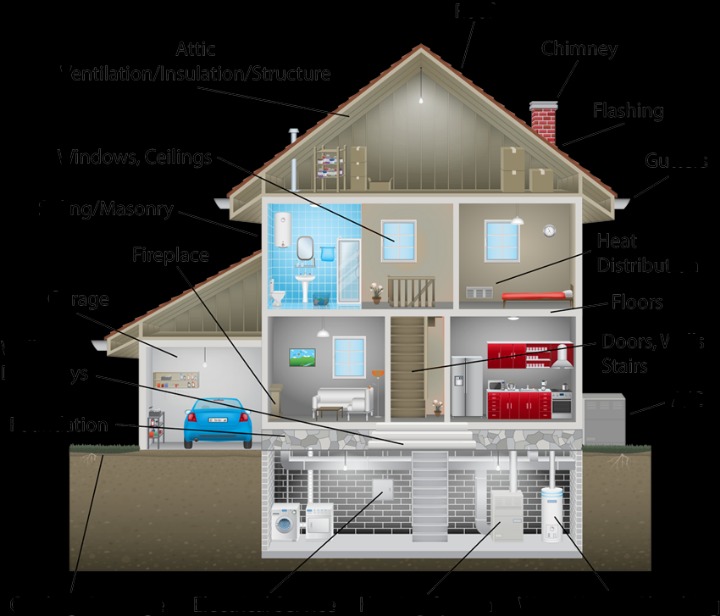
When it comes to Roof Leak Repair, identifying the source of a leak is often the most challenging part. Water can travel along rafters and insulation before becoming visible in the living space, so thorough attic inspections and roof deck assessments are crucial. Skilled technicians will inspect flashing, valleys, vents, chimneys, and connections for gaps or corrosion. High-quality repairs use durable materials and proper sealing techniques to restore watertight integrity rather than applying quick cosmetic fixes.
For planned projects such as New Roof Installation, selecting the right materials and a qualified installer will determine long-term performance. Proper underlayment, ventilation, and flashing installation are as important as the visible roofing material. A reputable Roofing Company conducts a complete evaluation, explains material options and warranties, and provides a written contract with timelines and payment milestones. Homeowners searching for a reliable crew often look up “Roofer near me” to compare local reviews, certifications, and examples of completed work.
Insurance coordination, permits, and local building codes add complexity to both emergency and scheduled projects. Experienced professionals assist with claim documentation, emergency board-up services if needed, and efficient scheduling to minimize exposure to further weather events. Choosing contractors who prioritize safety, clear communication, and transparent pricing reduces stress and improves outcomes for urgent and non-urgent roofing needs.
Real-World Case Studies and Practical Sub-Topics from Local Roofing Projects
Case Study 1: Rapid response to storm damage. A suburban home suffered multiple missing shingles and a leaking attic after a severe thunderstorm. The local crew provided emergency tarping within hours and conducted a full inspection the next day. The temporary protection prevented interior water damage, and the follow-up scope revealed damaged underlayment in several sections. The decision to replace the affected roof plane rather than repeatedly patching resulted in a longer-lasting solution and avoided repeated service calls.
Case Study 2: Hidden leak found during attic remodel. During a renovation, contractors discovered mold and soft sheathing in a hallway ceiling. A comprehensive diagnosis traced the problem to improperly flashed vent stacks and a small, intermittent leak that had gone unnoticed. Targeted Roof Leak Repair included replacing flashing, improving ventilation to reduce condensation, and treating mold-affected areas. The homeowner benefited from a precise, minimally invasive repair and improved indoor air quality.
Case Study 3: Full New Roof Installation for energy savings and curb appeal. An older home with faded, brittle shingles underwent a full roof replacement using high-performance architectural shingles, synthetic underlayment, and ridge ventilation. The project included the removal of two layers of old roofing, inspection and reinforcement of roof decking, and installation of ice-and-water shield in vulnerable valleys. Post-installation, the homeowner reported lower attic temperatures and increased resale interest—an example of how a professional Roofing Company can turn a necessary expense into a long-term investment.
Sub-topics worth considering include maintenance plans, seasonal inspections, and material-specific care. Regular gutter cleaning and roof inspections after extreme weather events extend service life. Understanding warranty coverage—manufacturer versus workmanship—helps homeowners know what services are included over time. For anyone wondering how to find trustworthy help, local contractors with verifiable references, licensing, and clear safety protocols provide the best path forward without leaving the property exposed to further risk.