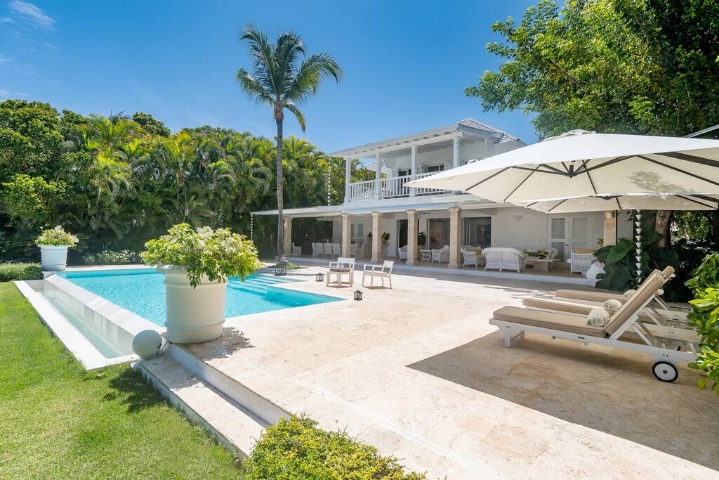
The Allure of the Italian Villa: Architecture, Landscape, and Lifestyle
Across rolling Tuscan hillsides, crystalline Mediterranean coves, and the mirror-like lakes of the north, the archetypal Italian villa stands for artful living. Rooted in centuries of craftsmanship, these residences fuse architecture with landscape: Renaissance loggias that frame cypress-lined drives, stone masserie wrapped in olive groves, and coastal palazzi poised above sunlit harbors. The spirit of a villa is not only its design but the rhythm it invites—late-morning espresso beneath a pergola, a midday swim in a travertine pool, languid evenings along a terrace where vines cast lacework shadows.
Inside, materials tell a story. Terracotta floors retain the day’s warmth; chestnut beams trace timeworn ceilings; Carrara marble cools kitchens where the scent of basil and lemon leaves lingers. In grand salons, frescoes glow above contemporary furnishings, creating a dialogue between past and present. Many villas in Italy weave artisan finishes with modern comforts—climate control, professional-grade culinary suites, cinema lounges—so that heritage never compromises ease. Private chapels, wine caves, and orangeries appear as delightful surprises rather than set pieces, enhancing the feeling of discovery.
Landscape is inseparable from lifestyle. Vineyard estates pair panoramic infinity pools with tasting rooms where Sangiovese and Vermentino reveal their terroir. Lakefront villas open onto private docks for a morning glide by classic wooden boat, while Amalfi clifftops capitalize on vertical gardens and stone staircases that descend to hidden coves. Secluded grounds favor mindful leisure: open-air yoga on limestone terraces, lavender-scented spas set into vaulted cellars, and herb gardens guiding seasonal menus. In this world, hospitality is personal—dedicated concierges arrange truffle hunts, yacht charters, and gallery tours, ensuring each day is composed with intention.
For many, the magnetism lies in authenticity. A villa invites connection to local culture—panetteria runs at dawn, markets overflowing with peaches and porcini, village festivals echoing into the night. When a stay culminates in a long table dressed with linen and candlelight, the villa becomes a stage for memories. It is this union of place, craft, and conviviality that makes an Italian villa more than accommodation; it is a way of seeing, tasting, and inhabiting Italy.
Choosing Your Villa: Regions, Experiences, and Signature Amenities
Selection begins with a sense of place. Tuscany entices with golden valleys and Renaissance towns; Umbria’s green heart whispers of monastic hills and stone hamlets; Puglia stretches toward the Adriatic with whitewashed villages and olive seas. The Amalfi Coast and Capri carve drama in limestone cliffs; Sardinia offers Caribbean-blue coves; Lake Como and Lake Garda promise Alpine vistas and glittering promenades. Each region suggests a distinct palette of experiences, and the finest luxury villa rentals italy are curated to amplify these nuances.
Consider the purpose of the journey. For culinary focus, look for estates with organic gardens, outdoor kitchens, wood-fired ovens, and on-call chefs who spotlight DOP ingredients. Wine-led stays benefit from on-site cellars, sommeliers, and proximity to appellations—Chianti Classico, Montalcino, Etna, or Franciacorta. Wellness-oriented travelers might prioritize dedicated spas, hammams, Technogym suites, and tranquil meditation platforms. Multi-generational gatherings thrive where children’s bunk rooms, game lounges, and shallow pool shelves coexist with elegant salons and serene courtyards for quiet conversation.
Setting and access matter. Hilltop villas reward with cinematic horizons and stargazing skies; coastal hideaways trade altitude for the lull of surf and boat access; in the lakes district, private moorings and boathouses elevate the rhythm of each day. Proximity to cultural centers—Florence’s ateliers, Rome’s antiquities, Venice’s ateliers—adds a museum-rich cadence, while countryside seclusion invites time to slow. Concierge-led experiences can stitch it together: truffle foraging in oak forests, ceramics workshops in grottos, sailings to grottoes where turquoise light bends the water into glass.
Amenties define the stay’s texture. Seek heated pools for shoulder-season swims, smart home tech for elegant simplicity, and professional kitchens for hosting. Event-ready spaces—cloistered courtyards, lemon houses, amphitheater gardens—transform celebrations into scenes. Discreet staffing ensures ease: housekeeping that restores serenity daily, drivers guiding coastal roads, butlers who perfect the art of timing. Sustainability enters as meaningful design—solar arrays tucked beyond cypress lines, rainwater-fed gardens, reclaimed stonework—so that comfort harmonizes with place. With portfolios like the refined haute retreats italian villas, matching vision to villa becomes an art in itself.
Real-World Journeys: Three Villa Experiences Across Italy
Case Study 1: A Tuscan vineyard reunion. On a ridge above Chianti, a 17th-century farmhouse embraces a courtyard scented with rosemary. Morning begins with cappuccinos by the bread oven, then a guided wander through rows of Sangiovese vines. Children chase sunlight down cypress paths while adults learn the alchemy of pasta from a local chef. Afternoon yields to poolside novels and a private tasting in a brick-vaulted cellar. As dusk swells, long tables gather under plane trees, fireflies glimmer, and a guitarist threads the evening with canzone. Here, the villa orchestrates togetherness—privacy in en suite bedrooms, connection in kitchens and terraces—making celebration feel effortless.
Case Study 2: Puglia’s design-forward masseria. Between Trulli cones and silvery olive orchards, a limestone estate merges minimalism with tradition. Interiors pair pale stone with woven fiber, arches with soft light. Guests cycle to white-sand beaches and return for a poolside aperitivo of burrata, taralli, and Primitivo rosé. In the olive mill-turned-spa, a therapist blends local botanicals into restorative rituals. Evenings spill into the courtyard where lanterns float above a chef’s parade of orecchiette, grilled octopus, and almond semifreddo. The result is a sanctuary where contemporary design and ancestral landscape breathe in sync.
Case Study 3: A Lake Como retreat with a private dock. Dawn hums across the water as a vintage wooden boat collects guests for a shoreline breakfast. Later, a garden tour reveals camellias and centuries-old cedars, while lunch unfolds beneath wisteria with views across the Grigne peaks. An afternoon funicular ride leads to mountain trails and espresso bars before returning to a salon where Murano glass and modern art converse. Dinner at home becomes a chef’s theatre—risotto al pesce persico finished tableside—followed by digestifs on a marble balustrade as the lake’s lanterns mirror the sky.
These vignettes echo a shared truth: the right villa shapes the narrative as much as the destination. Curation helps transform preferences into place—pairing architecture with appetite, service with spontaneity, and landscape with leisure. Portfolios that specialize in italian villas for rent offer an editorial eye: coastal sanctuaries where waves set the tempo, countryside estates anchoring culinary quests, cityside palazzi opening to secret gardens. Whether the call is for art-world proximity, sailing days, family milestones, or reflective solitude, a well-matched villa weaves each moment into a coherent, unforgettable whole—one terrace, one table, one horizon at a time.