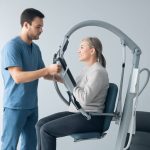
Certified Nursing Assistants (CNAs) are the backbone of daily patient care in hospitals, nursing homes, assisted living facilities, and private homes. If you have been typing CNA jobs near me into search engines, you are already on the right path toward a stable, meaningful, and high-demand career. The healthcare industry continues to grow faster than almost any other sector, and local employers are actively seeking compassionate, skilled CNAs to join their teams. Whether you are newly certified or bringing years of hands-on experience, understanding how to locate and secure the right local CNA position can make all the difference in your professional journey.
Understanding the Role and Local Demand for CNAs
A Certified Nursing Assistant provides essential daily support to patients who need help with basic activities such as bathing, dressing, eating, and mobility. CNAs also measure vital signs, observe changes in a patient’s condition, and offer emotional support to both patients and their families. The role requires a blend of technical skills and genuine empathy. Because CNAs spend more direct time with patients than many other healthcare professionals, they often become the eyes and ears of the care team, alerting nurses and doctors to subtle changes that can prevent serious complications.
The demand for CNAs is exceptionally strong at the local level. As the population ages, more seniors choose to age in place or move into long-term care communities, creating a steady need for qualified assistants. Hospitals also rely on CNAs to keep patient floors running smoothly, while home health agencies send CNAs into private residences to support individuals recovering from surgery or managing chronic conditions. This means that when you search for CNA jobs near me, you are not looking at a niche or seasonal market—you are tapping into a long-term, structural need in your own community.
Local employers often look for CNAs who hold a valid state certification and have completed a state-approved training program. Most programs take between four and twelve weeks to complete and include both classroom instruction and clinical practice. In addition to certification, employers value soft skills such as patience, clear communication, and reliability. A CNA who shows up on time, treats patients with dignity, and documents care accurately will always be in high demand. If you are already certified, you can stand out by highlighting your experience with specific populations, such as dementia care, pediatric support, or rehabilitation. Even if you are entry-level, your willingness to learn and your compassionate attitude can open doors to on-the-job training and mentorship.
Understanding the local landscape is key. Start by researching which healthcare facilities in your area are expanding. Hospitals often post CNA openings on their career pages, while skilled nursing facilities and assisted living communities may advertise through local job boards and community centers. Home care agencies, in particular, frequently need CNAs who can travel to clients’ homes, so your geographic location and reliable transportation become important factors. By knowing who the major employers are in your region, you can tailor your search and avoid wasting time on roles that do not fit your schedule or commute preferences.
How to Find and Apply for CNA Jobs Near Me
The most effective job search combines online tools, personal networking, and direct outreach. When you search for CNA jobs near me, you will find a wide range of listings from hospitals, nursing homes, assisted living facilities, and home care agencies. Online platforms like caregiver jobs boards allow you to filter by location, shift type, and experience level, making it easier to zero in on positions that match your needs. However, simply submitting an application online is rarely enough. You should also proactively reach out to local healthcare facilities, attend job fairs, and connect with instructors or classmates from your CNA training program who may know about unadvertised openings.
When you apply for a CNA position, your resume should clearly state your certification status, the state where you are licensed, and the date you completed your training. List any clinical rotations or volunteer work that gave you hands-on experience. If you have worked in a related field—such as home health aide, personal care assistant, or direct support professional—include that experience prominently, because many skills transfer directly. Emphasize your ability to work as part of a team, your comfort with electronic health records, and your commitment to patient safety. A short, specific cover letter can also help you stand out, especially if you mention why you want to work in a particular facility or with a specific patient population.
Interview preparation is just as important as the application itself. Hiring managers for CNA roles often ask behavioral questions to gauge how you would handle difficult situations, such as a confused patient who refuses care or a sudden change in vital signs. Practice answering these questions using the STAR method—describe the Situation, the Task you faced, the Action you took, and the Result you achieved. Even if you are new to the field, you can draw on examples from your clinical training or caregiving for a family member. Show that you are dependable, teachable, and genuinely motivated by a desire to help others. Many employers will also check your references and require a background check and drug screening, so be prepared to provide accurate information.
One advantage of looking for CNA jobs near me is that you can often schedule interviews quickly and visit the facility in person before accepting an offer. This gives you a chance to observe the work environment, meet some of the team, and ask questions about patient ratios, shift differentials, and opportunities for advancement. Some local employers even offer sign-on bonuses, tuition reimbursement for further nursing education, or paid time off that starts accruing immediately. By comparing multiple offers in your area, you can choose a position that not only pays well but also supports your long-term career goals.
Advancing Your Career as a CNA: From Entry-Level to Specialized Roles
Once you secure your first CNA job, your career path is far from static. Many CNAs use their role as a stepping stone to becoming a Licensed Practical Nurse (LPN) or Registered Nurse (RN), taking advantage of employer tuition assistance programs and flexible scheduling to continue their education. Others choose to specialize within the CNA role itself, becoming experts in dementia care, hospice support, or rehabilitation therapy. Specialized CNAs often earn higher hourly wages and have more control over their schedules, because their skills are in shorter supply. If you enjoy working with a particular population, ask your supervisor about additional training or certifications that can help you grow in that area.
Local healthcare systems frequently offer career ladders for CNAs, including roles such as lead CNA, medication aide, or restorative aide. These positions come with increased responsibility and often higher pay, but they also require additional training and demonstrated competence. Taking advantage of continuing education opportunities—whether online or through a local community college—can position you for these promotions. Even short courses in wound care, infection control, or behavioral management can make you a more valuable team member and increase your job security. Many employers are willing to invest in CNAs who show initiative, because retaining skilled staff is far more cost-effective than constantly recruiting replacements.
The work environment itself varies greatly depending on where you are employed. Hospital CNAs often work 12-hour shifts in fast-paced units, while long-term care facility CNAs build deeper relationships with residents over months or years. Home care CNAs enjoy a high degree of independence, traveling to multiple clients’ homes each day and providing one-on-one care. Each setting has its own pace, culture, and rewards, so it is worth trying different environments early in your career to discover what suits you best. No matter which path you choose, the skills you develop as a CNA—clinical observation, patient communication, and compassionate care—will serve you well in any healthcare role you pursue.