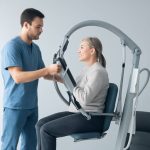
For many individuals recovering from surgery, managing a chronic condition, or experiencing age-related decline, the simple act of standing up from a seated position can feel like an insurmountable challenge. The transition from sitting to standing is one of the most mechanically demanding movements for the human body, requiring core strength, balance, and leg power. When this ability is compromised, it creates a cascade of consequences: reduced independence, increased risk of falls, and a heavy physical burden on caregivers. The electric sit to stand lift has emerged not merely as a piece of medical equipment, but as a transformative tool that bridges the gap between dependence and self-sufficiency. Unlike passive lifting devices, this technology actively engages the patient in the transfer process, leveraging their residual strength while providing the precise mechanical assistance needed for a safe, controlled rise. It represents a paradigm shift in patient handling, moving from a model of pure transportation to one of supported mobilization.
The Clinical Advantage: Bridging Independence and Safety
The primary value of an electric sit to stand lift lies in its ability to harmonize patient autonomy with clinical safety. Traditional full-sling lifts, while effective for non-weight-bearing patients, can strip away the patient’s sense of participation and often require significant space and time to set up. In contrast, the sit-to-stand methodology is designed for individuals who can bear at least partial weight on their legs. This distinction is crucial for long-term rehabilitation outcomes. By requiring the patient to actively push through their feet and engage their core, the lift helps maintain muscle tone, joint mobility, and cardiovascular function. Caregivers benefit immensely from this design. The powered mechanism handles the heavy lifting, reducing the shear forces and awkward postures that lead to debilitating back injuries among nursing staff and home health aides. The risk of dropping a patient or experiencing a sudden loss of balance during a transfer is virtually eliminated by the lift’s stable base and controlled, slow ascent. Furthermore, the psychological lift for the patient is profound. Being an active participant in one’s own movement, even with mechanical support, fosters a sense of accomplishment and combats the helplessness that often accompanies physical decline. This combination of physiological benefit and emotional dignity makes the device a cornerstone of modern, patient-centered care, whether in a rehabilitation center, a long-term care facility, or a private home.
Engineering Mobility: Key Features of a Modern Electric Sit to Stand Lift
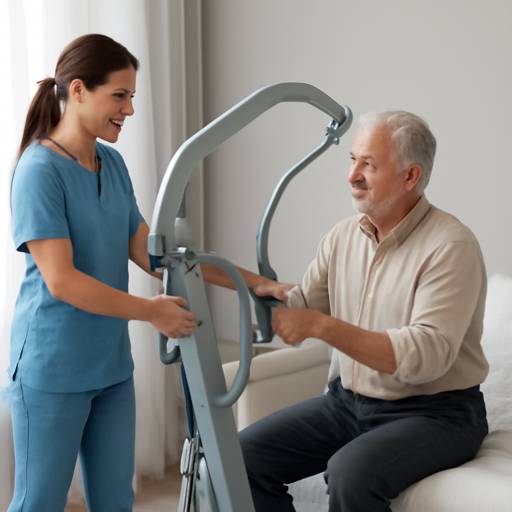
Understanding the mechanics behind an electric sit to stand lift allows caregivers and patients to appreciate its reliability and make informed purchasing decisions. The core of the system is a low-profile, wheeled base that slides under a bed, chair, or wheelchair. This base must be exceptionally stable, often featuring a straddle design that locks into position to create a wide footprint. The vertical mast houses the powerful, quiet electric actuator that drives the lifting mechanism. Unlike manual hydraulic pumps, the electric actuator provides a smooth, consistent motion at the touch of a button, eliminating the manual effort required to raise or lower the patient. Most units feature a handheld pendant control, allowing the patient or caregiver to stop, start, and adjust the height with precision. Beyond the basic lift, modern units incorporate sophisticated safety features. Knee pads, often padded with high-density foam, provide a crucial pivot point and prevent the patient from sliding forward during the transfer. The sling or vest attachment points are designed for quick, tool-free connection and release. Battery backup is a non-negotiable feature, ensuring a patient is never stranded mid-transfer during a power outage. Finally, the design of the ergonomic handles or standing platform is critical; they must provide a secure, comfortable grip that encourages the patient to pull themselves upright naturally, aligning their body for a safe, biomechanically correct standing posture. The entire system is a study in applied ergonomics, designed to make the complex physics of a standing transfer effortless and secure.
Transformative Outcomes: Case Studies from Home and Clinical Care
The theoretical benefits of the electric sit to stand lift are best understood through real-world application. Consider the case of a large urban rehabilitation hospital that implemented a protocol using these lifts for all post-hip-replacement patients who met weight-bearing criteria. Previously, manual transfers required two to three staff members to assist each patient, leading to a high rate of staff musculoskeletal injuries. After the protocol change, the hospital reported a 40% reduction in staff injury claims within the first year. More importantly, patients began standing on the first post-operative day, a dramatic shift from the previous standard of waiting 48 to 72 hours. This early mobilization directly correlated with shorter hospital stays and reduced rates of deep vein thrombosis and pulmonary complications. In a home care scenario, a patient with advanced multiple sclerosis, who could stand but lacked the stability and endurance to do so safely, regained the ability to use her own bathroom. Her husband, who had been performing heavy manual transfers, suffered from chronic back pain. The installation of an electric sit to stand lift eliminated the physical strain on the caregiver. The powered lift allows the patient to stand from her wheelchair with a feeling of stability, pivot to the toilet, and then be lowered safely. This single change restored a level of privacy and normalcy to their daily routine that had been lost for years. These examples highlight a common thread: the device does not just transport a body from point A to point B; it restores functional independence, preserves the health of caregivers, and fundamentally improves the quality of life for everyone involved in the care dynamic. The lift becomes a bridge, not just to standing, but to a more active and dignified existence.